Inspect and Test
We identify the fabric, check the fill and the cover construction, and test a hidden area before anything else happens. This is also where we tell you if a piece isn't worth cleaning.


Sun and damp age patio cushions faster than you'd think. We clean and protect them at our facility, and store them through the wet months if you've nowhere to keep them.
.png)
.png)


.jpg)
Outdoor cushions have to tolerate conditions indoor furniture never sees, and the stress of weather ages them early if they aren't looked after.
Moisture and sun are the biggest problems. Mold and mildew grow on the fabric and decay the fibers, causing weakness and tearing. Sun speeds the whole thing up, as UV weakens and fades the fabric.
Dust, pollen, spills, animal damage and droppings do the rest. By the time your cushions look like they need a good clean, they're beyond the help of a hose and a scrub brush.
The damage builds up over seasons, so one quick pass won't shift it. Even our high-powered in-home equipment isn't enough for this job.
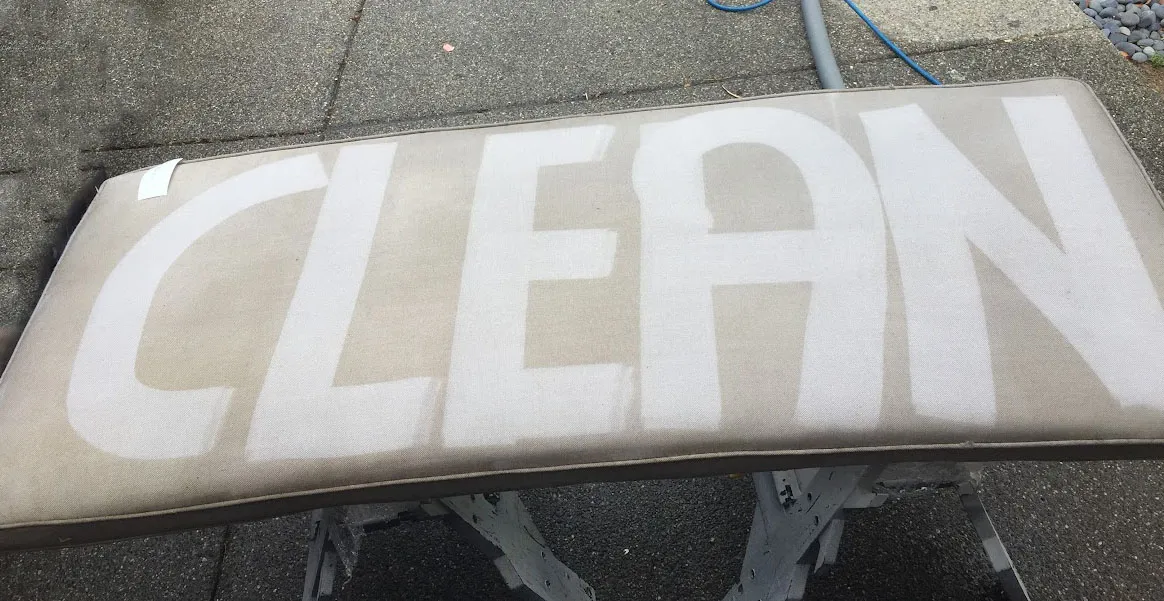
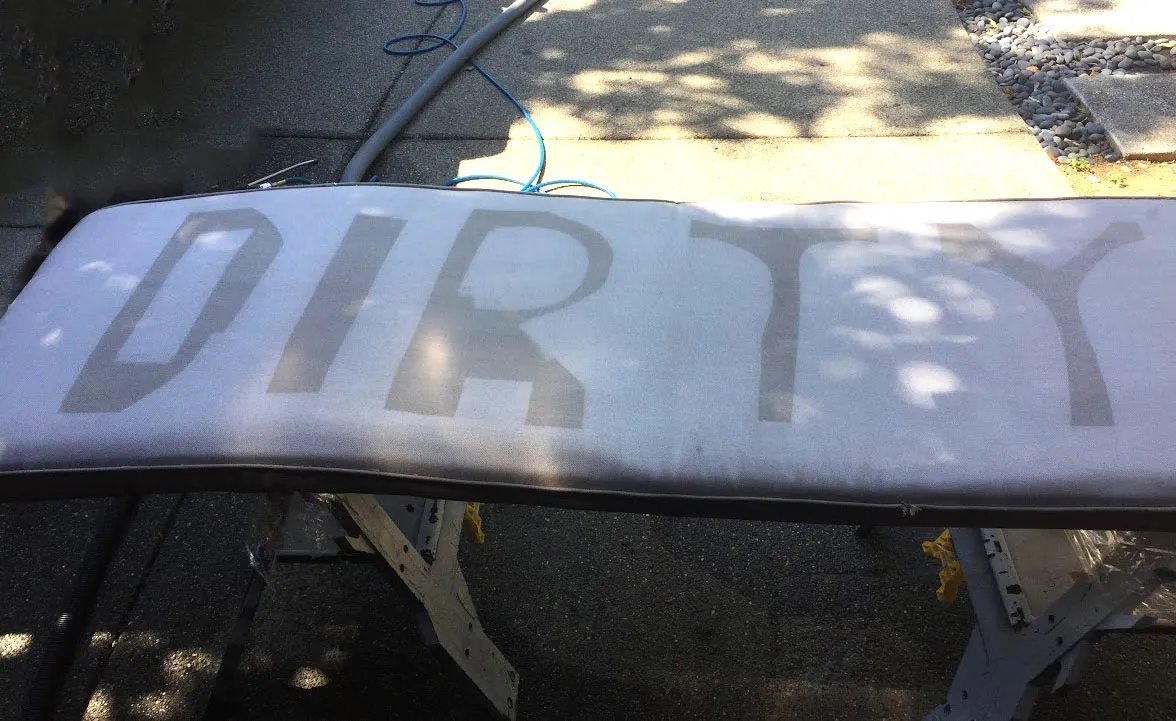
Cushions need spot treatment and multiple passes in a controlled setting where we can treat, scrub and dry them properly, removing animal waste, mold and mildew, then applying protector to slow further deterioration.
Our eco-friendly protector slows deterioration between cleanings by stopping damaging soils from making a permanent home in the fibers.
We tell you what cleaning can improve, and when fading or mildew staining is permanent.
Sunbrella, printed polyester and olefin all clean differently. We check what you have first.
It takes five minutes and it's what prevents an expensive mistake.
No hauling wet cushions across town. We collect and deliver.
If you've got nowhere to keep them through the wet months, we'll hold them.


We'd rather tell you before we arrive, than after we've charged you.

Sun fading, because the color is gone rather than covered

Embedded dirt, dust and pollen
Mildew staining, where the growth has permanently altered the fiber
Mold and mildew growth
Fabric that's gone thin or brittle from years of UV
Food, drink and general spills
Foam that has broken down inside and no longer holds shape
Bird droppings and pet accidents
Zippers, seams and piping that have failed
Musty and stale smells
Cushions are cleaned at our San Rafael facility, not on your patio. They need the equipment and the drying room, neither of which travels. Most San Francisco customers book a pickup so they don't make the trip.
Most people here have no garage and nowhere sensible to keep patio cushions through the wet months.
We clean them, dry them fully, wrap them, and hold them until you want them back, then deliver them ready to use when the weather turns.
%20(1).jpg)

We identify the fabric, check the fill and the cover construction, and test a hidden area before anything else happens. This is also where we tell you if a piece isn't worth cleaning.
Mildew, stains and odor sources are treated first and given time to work. Bird droppings and pet accidents get treated separately from general soil.
In our controlled wash facility we can take the time and give each cushion the attention it needs to get all the soil out. We use our own cleansers and hot water extraction, and as many passes as it takes.
Our temperature-controlled drying room dries fabrics quickly, so we can be sure the job is thorough and complete before anything goes back to you.
The factory water-repellent finish wears off over a few seasons. We reapply it on every cushion, so your fabrics stand up to the elements between cleanings. Then everything is wrapped for delivery or storage.
%201MB.jpg)
We clean outdoor cushions for restaurant patios, hotel terraces, rooftop decks, HOA common areas and apartment amenity spaces, and we work around your service hours so a patio isn't out of use during business.
For accounts with a lot of pieces we can run this on a schedule, so cushions get cleaned before the season rather than when someone complains.
Tell us how many pieces and where, and we'll quote the job.
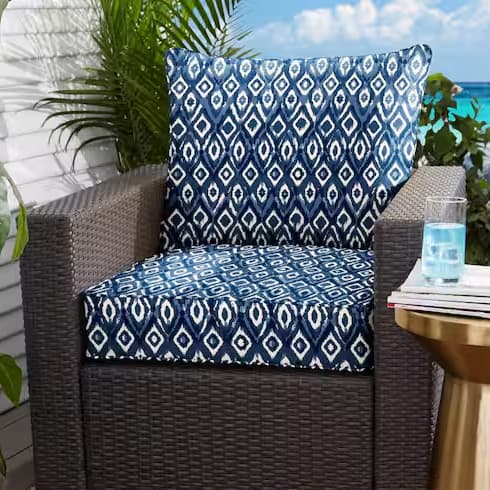
Cushions are priced by the piece, based on size and condition.
From $42
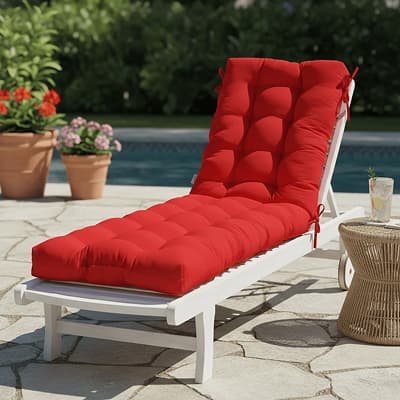
From $100

From $20
Heavy mildew, pet accidents and fabric protector are quoted after we've seen the cushions.
We clean and store outdoor cushions throughout San Francisco and the surrounding service areas, with pickup and delivery available. If you don't see your neighborhood listed, call and ask.