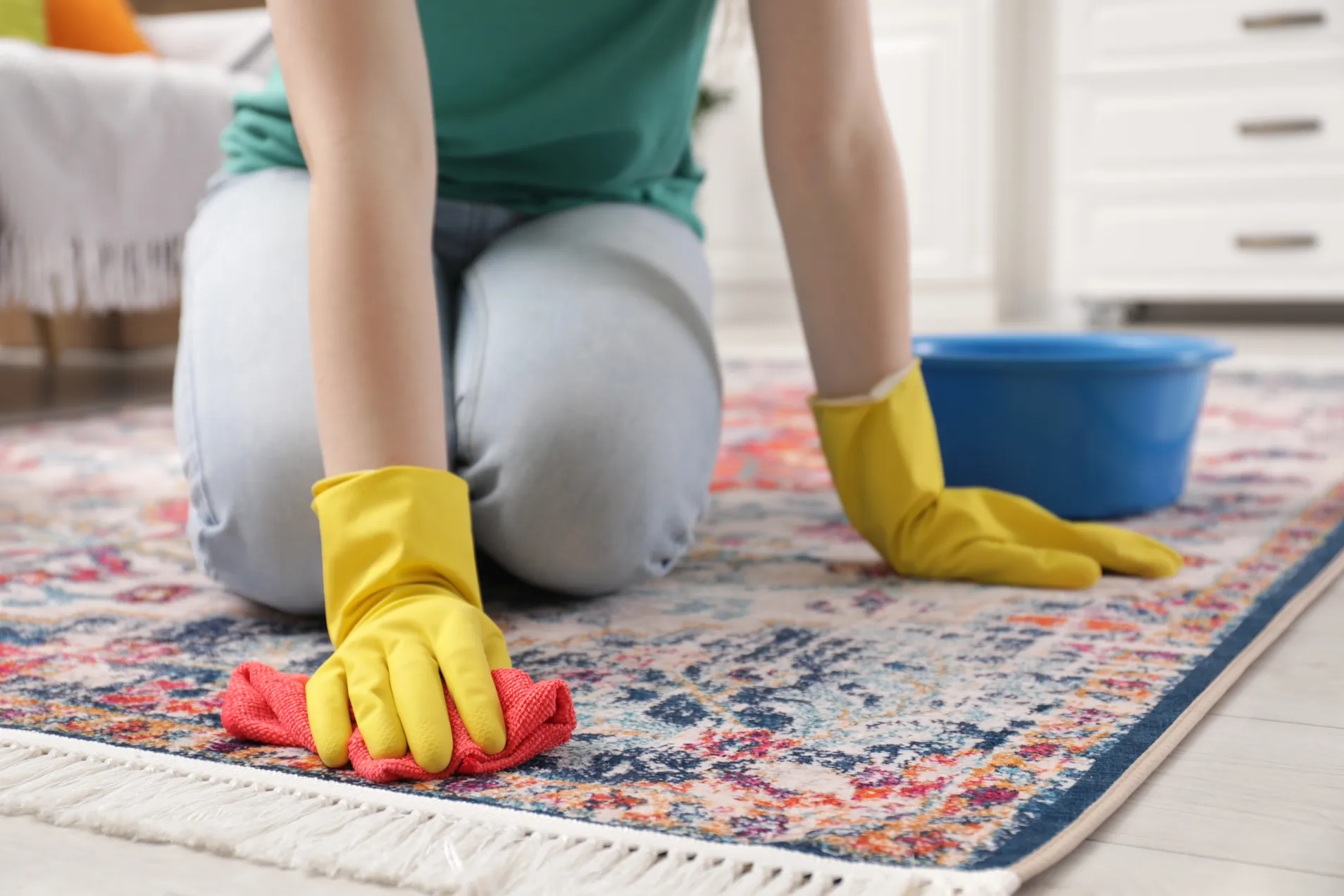
Area rugs are one of the most important décor elements in a home. They add warmth, style, and comfort while protecting flooring from daily wear. But over time, rugs also trap dust, pet hair, food crumbs, allergens, and bacteria deep inside their fibers.
This buildup can lead to bad odors, dull colors, and poor indoor air quality — especially in high-traffic areas or homes with pets.
Many people assume that only a professional carpet cleaner or steam cleaning machine can properly clean a rug. However, that's not true.
You can deep clean an area rug at home using simple, non-toxic DIY rug cleaning methods that are safe, affordable, and highly effective.
Why Regular Area Rug Cleaning Is Important
Area rugs act like filters in your home. They trap:
- Dust and dirt
- Pet dander and hair
- Allergens and pollen
- Food particles and spills
- Bacteria and odor-causing particles
Without regular rug maintenance, these contaminants build up inside the rug fibers and can cause:
- Musty odors
- Allergies and breathing issues
- Permanent stains
- Faded colors
- Fiber damage
Regular cleaning improves indoor air quality, rug lifespan, and hygiene.
Can You Clean an Area Rug Without a Carpet Cleaner?
Yes — and in many cases, you don't need a machine at all.
Professional rug cleaning services often use controlled versions of the same techniques you can do at home:
- Stain pre-treatment
- Gentle scrubbing
- Low-moisture cleaning
- Odor neutralization
- Air drying
DIY rug cleaning works especially well for:
- Synthetic rugs
- Cotton rugs
- Polyester blends
- Everyday household rugs
However, delicate rugs like wool, jute, or oriental rugs require extra care.
Supplies You Need for DIY Rug Cleaning
Before starting, gather these basic household cleaning supplies:
Essential Tools
- Vacuum cleaner (preferably with strong suction)
- Baking soda (odor absorber)
- White vinegar (natural stain remover)
- Mild dish soap (non-toxic detergent)
- Warm water
- Spray bottle
- Soft-bristle brush
- Microfiber cloths
- Clean towels
Optional (for tougher cleaning)
- Hydrogen peroxide (spot testing required)
- Fan or airflow source for drying
- Rubber gloves
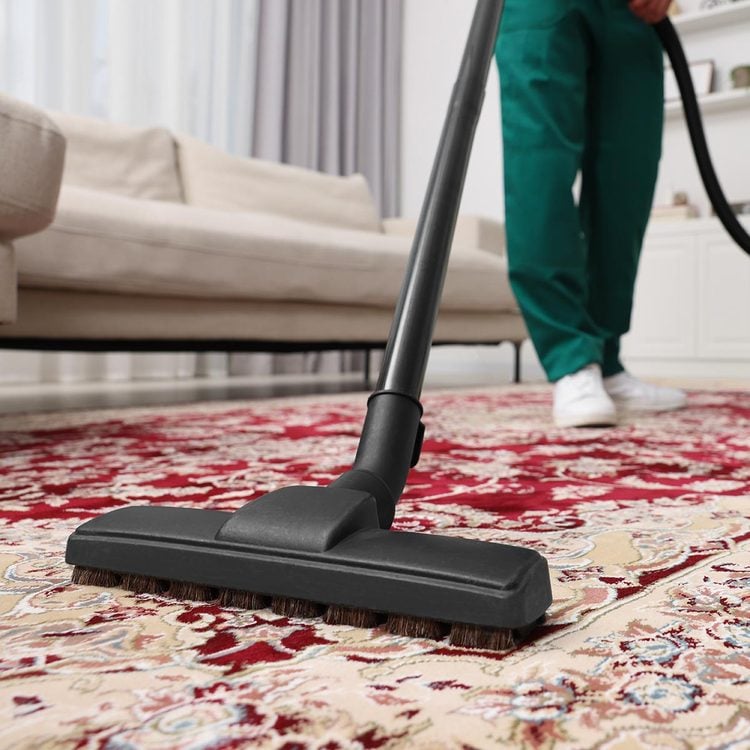
Step 1: Vacuum the Rug Thoroughly (Very Important)
Start by removing loose debris before applying any moisture.
Vacuum both sides of the rug if possible, especially if it's lightweight or reversible.
Focus on:
- High-traffic areas
- Corners and edges
- Under furniture spots
- Pet-affected zones
This step prevents dirt from turning into mud during cleaning.
Step 2: Shake or Beat the Rug Outdoors
If the rug size allows, take it outside and shake it firmly.
This helps remove:
- Embedded dust
- Sand particles
- Pet hair
- Crumbs stuck deep in fibers
For thicker rugs, gently beating it with a broom handle also helps loosen hidden dirt.
Step 3: Spot Clean Stains Before Full Washing
Spot cleaning prevents stains from spreading during deep cleaning.
DIY Stain Remover (Safe for Most Rugs)
- 1 teaspoon mild dish soap (use 1/4 teaspoon if using a concentrated soap like Dawn)
- 2 cups warm water
Apply using a cloth and blot gently — never scrub aggressively.
Pet Stain Removal (Odor Control Method)
For urine or pet accidents, use this properly diluted solution:
- 1/4 cup white vinegar
- 1 cup warm water
How to apply:
- Lightly apply the solution to the affected area and let it sit for 5–10 minutes.
- Blot dry with a clean towel — press firmly to lift as much moisture as possible.
- Rinse the area with clean water only (no vinegar).
- Blot dry again, then place a clean dry towel over the area and apply firm pressure. Let it sit for 10 minutes to draw out remaining moisture.
- Rinse one more time with clean water.
- Blot dry and remove as much excess water as possible before moving to the next step.
This diluted vinegar method helps neutralize odor-causing bacteria — not just surface stains — without leaving a strong vinegar residue in the fibers.
Step 4: Deodorize Using Baking Soda (Natural Rug Freshener)
Baking soda is one of the most effective non-toxic rug odor removers.
Sprinkle evenly across the rug and let it sit for:
- 30 minutes (light odor)
- Overnight (strong odor or pet smells)
Then vacuum thoroughly.
This helps remove:
- Trapped odors
- Oil buildup
- Stale smells from fibers
Step 5: Make a DIY Carpet Cleaning Solution (No Machine Needed)
A simple homemade rug shampoo alternative:
- 2 cups warm water
- 1 tablespoon white vinegar
- 1/4 teaspoon mild dish soap (use a concentrated formula like Dawn sparingly — a little goes a long way)
Mix in a spray bottle.
Lightly mist the rug — do NOT soak it.
Excess moisture can damage rug backing and cause:
- Mold growth
- Mildew smell
- Fiber weakening
Step 6: Gently Scrub the Rug Surface
Use a soft-bristle brush and clean in circular motions.
Focus on:
- Stained areas
- High-traffic zones
- Visible dirt patches
Avoid hard scrubbing — it can damage fibers and spread stains deeper.
This step loosens embedded dirt for easier removal.
Step 7: Rinse, Blot, and Remove Excess Moisture
Rinsing is a critical step that most DIY guides skip — but leaving cleaning solution residue in rug fibers can attract more dirt over time and cause a stiff or sticky texture.
Follow this rinsing process after scrubbing:
- Rinse the cleaned area with clean water only (no vinegar, no soap).
- Blot firmly with a clean microfiber towel to lift dirt and cleaning solution.
- Place a dry towel over the damp area, apply firm pressure, and let it sit for 10 minutes to draw out deeper moisture.
- Rinse one more time with clean water.
- Blot dry again and press out as much excess water as possible before drying.
Repeat until the rug feels damp, not wet. The goal is to remove as much moisture as possible to speed up drying and prevent mold growth.
Step 8: Proper Drying (Critical Step for Rug Safety)
Incorrect drying is one of the most common causes of rug damage.
Poor drying can lead to:
- Mold and mildew growth
- Bad odors
- Fiber weakening
- Backing damage
Best drying methods:
- Use fans or air circulation
- Open windows for ventilation
- Hang outdoors in shade
- Rotate rug occasionally
Avoid direct sunlight for long periods (color fading risk).
Drying usually takes 6–24 hours depending on rug thickness and humidity.
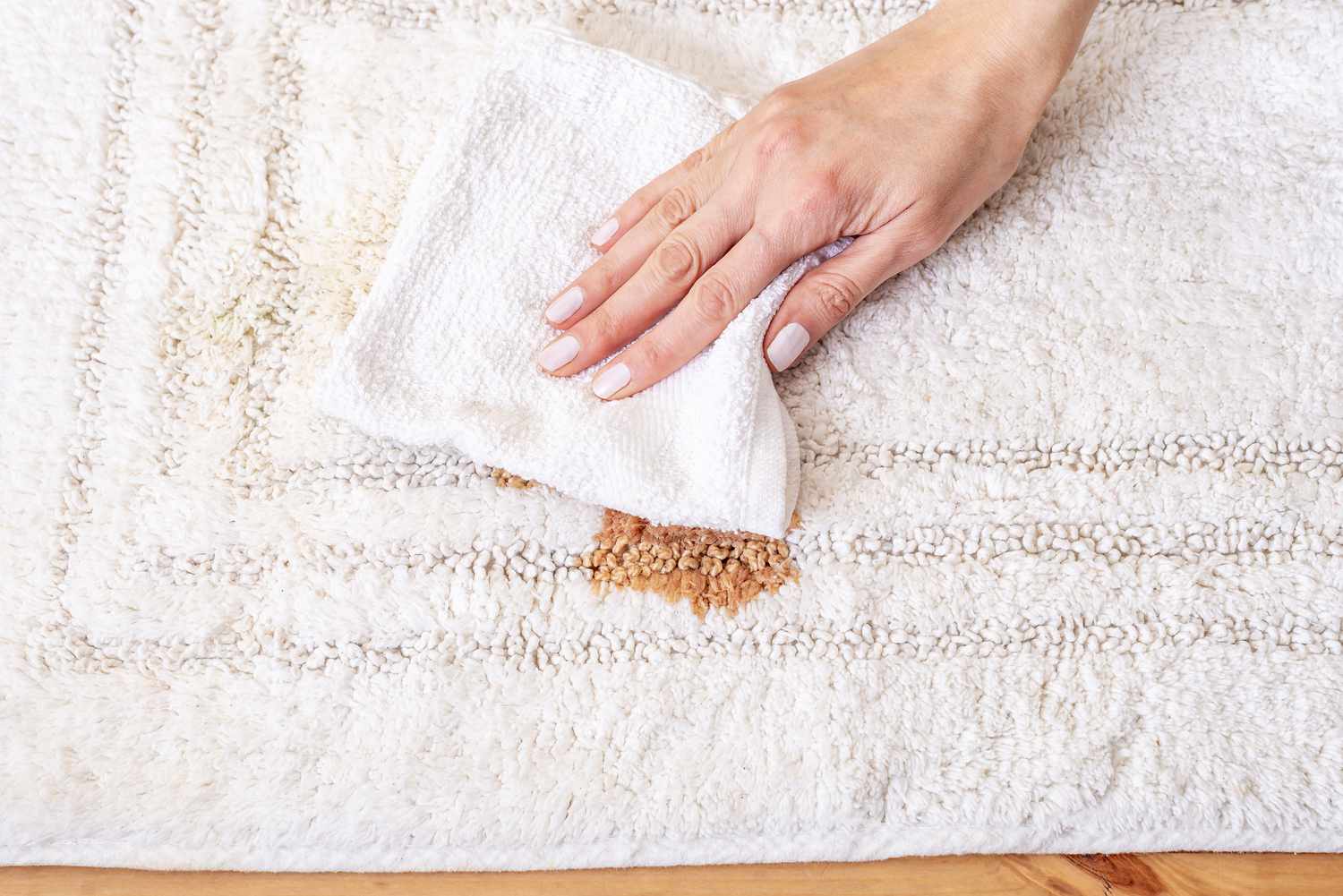
How to Remove Common Rug Stains Naturally
- Coffee stains — Blot immediately, then use vinegar + dish soap solution.
- Wine stains — Use cold water first, then mild soap solution.
- Grease stains — Cover with baking soda for 30 minutes, then vacuum.
- Mud stains — Let dry first, vacuum, then clean residue with soap solution.
Cleaning Different Types of Area Rugs
- Wool rugs — Use cold water + mild detergent only. Avoid soaking.
- Synthetic rugs — Most durable — safe with vinegar-based cleaners.
- Shag rugs — Require deep vacuuming and frequent deodorizing.
- Jute rugs — Very sensitive — use dry cleaning methods only.
Common Rug Cleaning Mistakes to Avoid
Avoid these mistakes to prevent damage:
- Over-wetting the rug
- Using bleach or harsh chemicals
- Scrubbing aggressively
- Skipping vacuuming
- Not rinsing out cleaning solution
- Not drying properly
- Ignoring fiber type
How Often Should You Clean an Area Rug?
Standard homes:
- Vacuum weekly
- Deep clean every 6–12 months
Homes with pets:
- Vacuum 2–3 times weekly
- Deep clean every 3–6 months
High-traffic areas:
- Spot clean immediately
- Frequent maintenance cleaning
When to Hire Professional Rug Cleaners
DIY methods work for maintenance, but professional cleaning is better when:
- Stains are deep or permanent
- Pet odors persist
- Mold or mildew appears
- Rug is antique or expensive
- Water damage has occurred
Professional cleaning uses controlled moisture, enzyme treatments, and deep fiber extraction.
Final Thoughts
Learning how to clean an area rug without a carpet cleaner is a practical skill that saves money and keeps your home healthier.
With simple ingredients like baking soda, vinegar, and mild dish soap, you can remove stains, eliminate odors, and refresh your rug naturally.
The key is consistency:
- Vacuum regularly
- Treat stains quickly
- Use properly diluted solutions
- Always rinse out cleaning residue
- Avoid over-wetting
- Always dry properly
With the right DIY rug cleaning method, your area rug can stay fresh, clean, and long-lasting for years.