

Sometimes, images stay with you. They say you can’t un-see something, and in the carpet cleaning business, there is definitely truth in that.
Our technicians send in photos all the time of the worst damage to carpets in all kinds of situations. But one photo of a very worn, old carpet has stuck with me through the years. Now, granted, that carpet was way beyond the end of its natural lifespan. But it remains the perfect example of a high-traffic area that was both extraordinarily dirty and extraordinarily deteriorated from foot traffic.
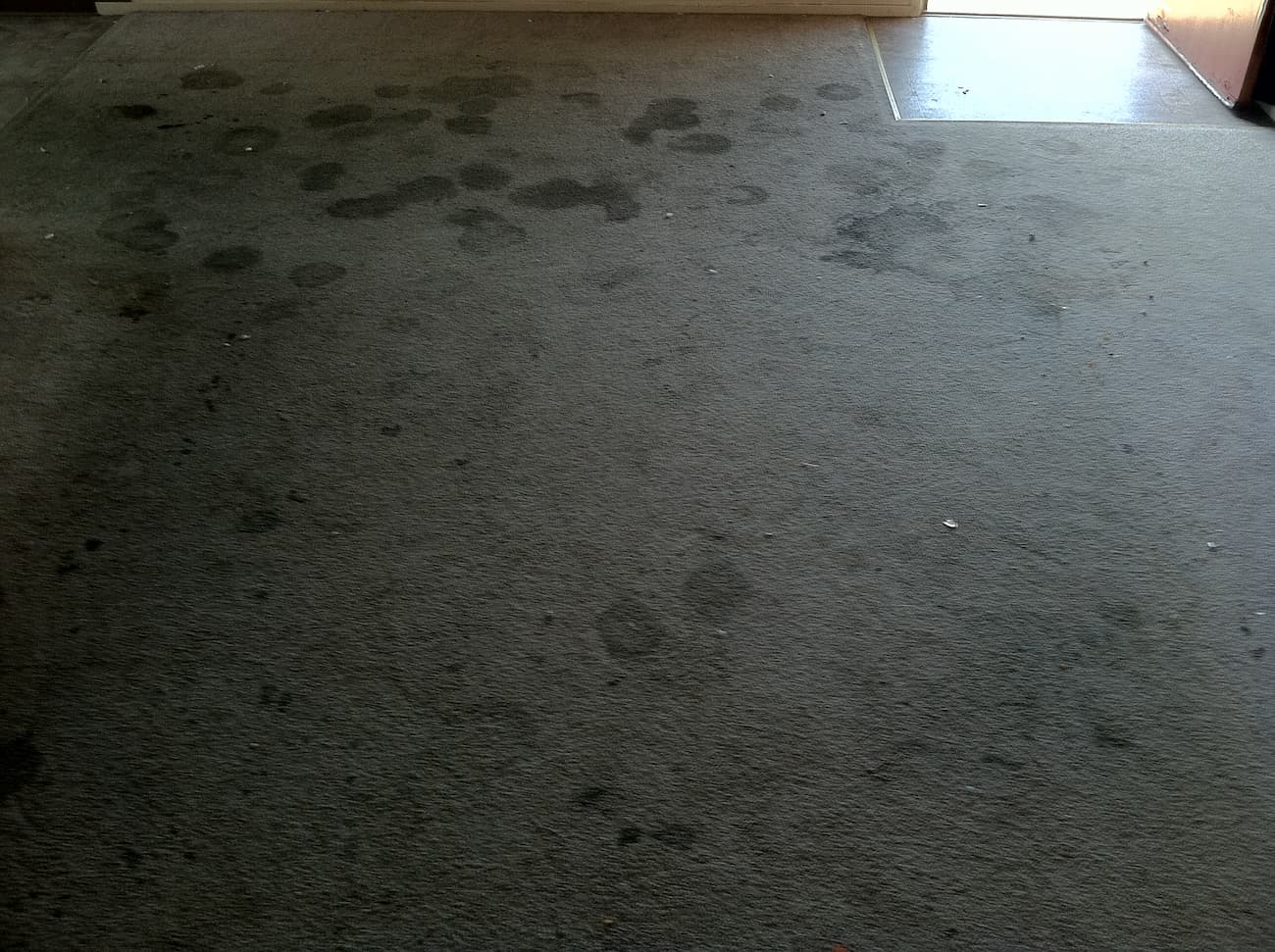
But there is a simple, cost-effective tool that could prevent your home’s high-traffic zones from ever looking like that—and save you thousands of dollars in premature replacement costs.
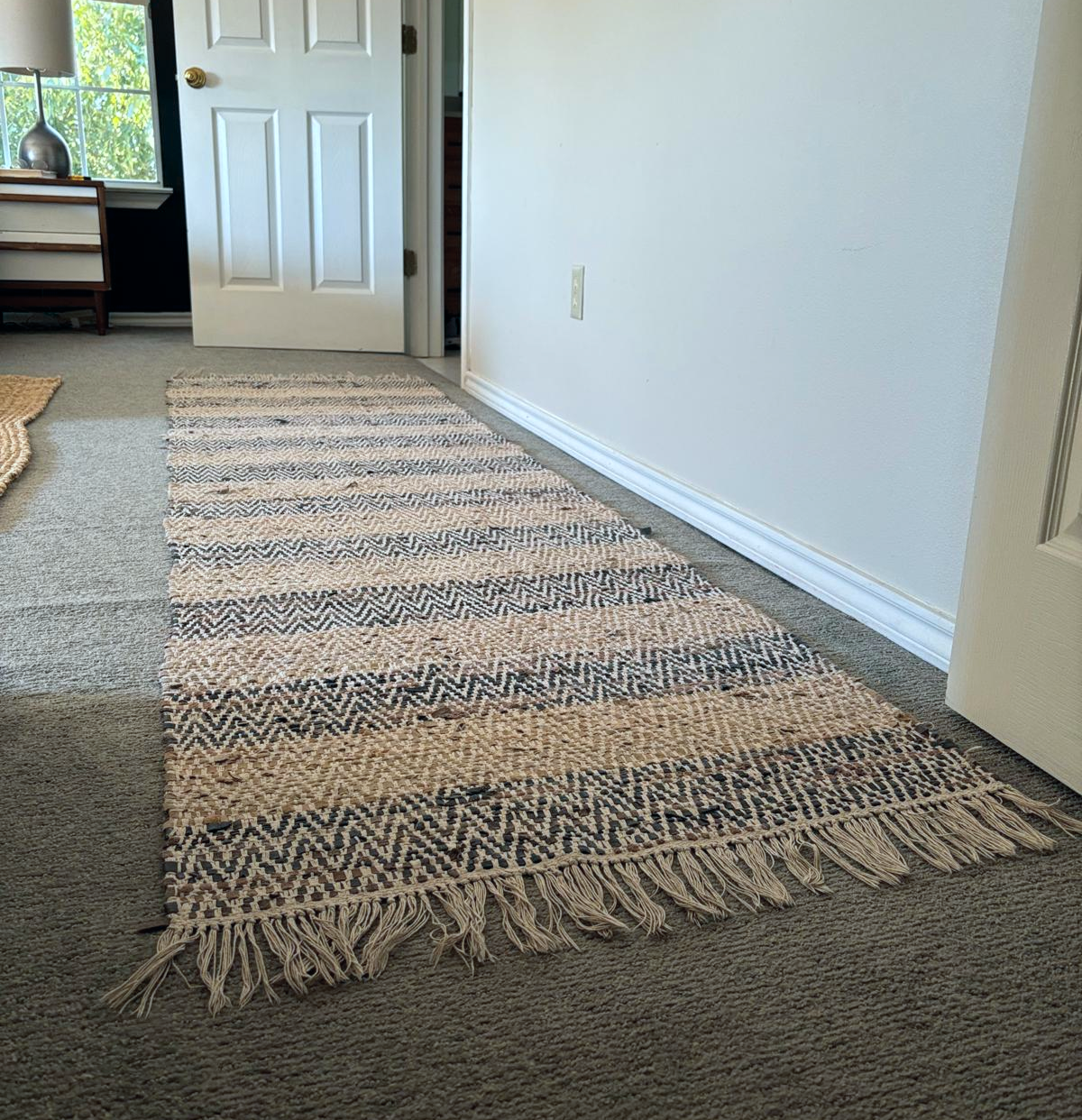
People mock me for putting rugs on top of my carpet, but listen up…this practice has more than just aesthetic value. (Although I still insist that an area rug really pulls a room together.)
Having a runner or small area rug placed strategically can extend your time between professional carpet cleanings, and more importantly, extend the life of your carpeting overall. Putting a runner in your most traveled paths will reduce the wear exponentially, often extending your carpet's lifespan from five years to ten or more. Here is the reason why your carpets are taking a beating, and some information that might make you scoff a bit less at this seemingly silly practice.
The Invisible Sandpaper Effect
Why does foot traffic destroy carpet so quickly? Take a look at the diagram below. The first image shows you what a carpet looks like when it’s brand new. The second shows you up close of carpet fibers with trapped dirt deep in the fibers. The third image shows what happens when those dirt particles - which have the abrasion of small particles of sand - are introduced to foot traffic. (it is a ridiculous exaggeration but you get my point)
[ The anatomy of carpet wear ]

Brand new carpet
Clean, upright fibers.

Trapped dirt
Dirt and abrasive grit settle deep in the fibers.

Foot traffic friction
Foot traffic turns dirt into sandpaper, grinding and fraying fibers.
So now you can see why runners on top of carpet are a brilliant idea in terms of extending the life of your carpeting, extending the time between your cleanings, and ultimately saving you thousands of dollars.
Instead of those dirt particles traveling deep into the fibers of your carpeting, and then being subject to the constant friction from your foot traffic—and this goes for both shoes-on and shoes-off households—they will get stuck in the runner.
The runner takes the beating while the carpet underneath stays fluffy and resilient. It is much easier (and cheaper) to clean or replace a runner than it is to tear out and replace your wall-to-wall carpeting!
The Sneaky Path "Trails" We Create
Without realizing it, our daily routines create indoor highways. It is very similar to going into the woods and seeing worn game trails—your family and pets do the exact same thing to your carpeting. Over time, you will start to see defined, dark, or frayed paths where you step the most. Even the most expensive, top-of-the-line carpet is not immune to this traffic.
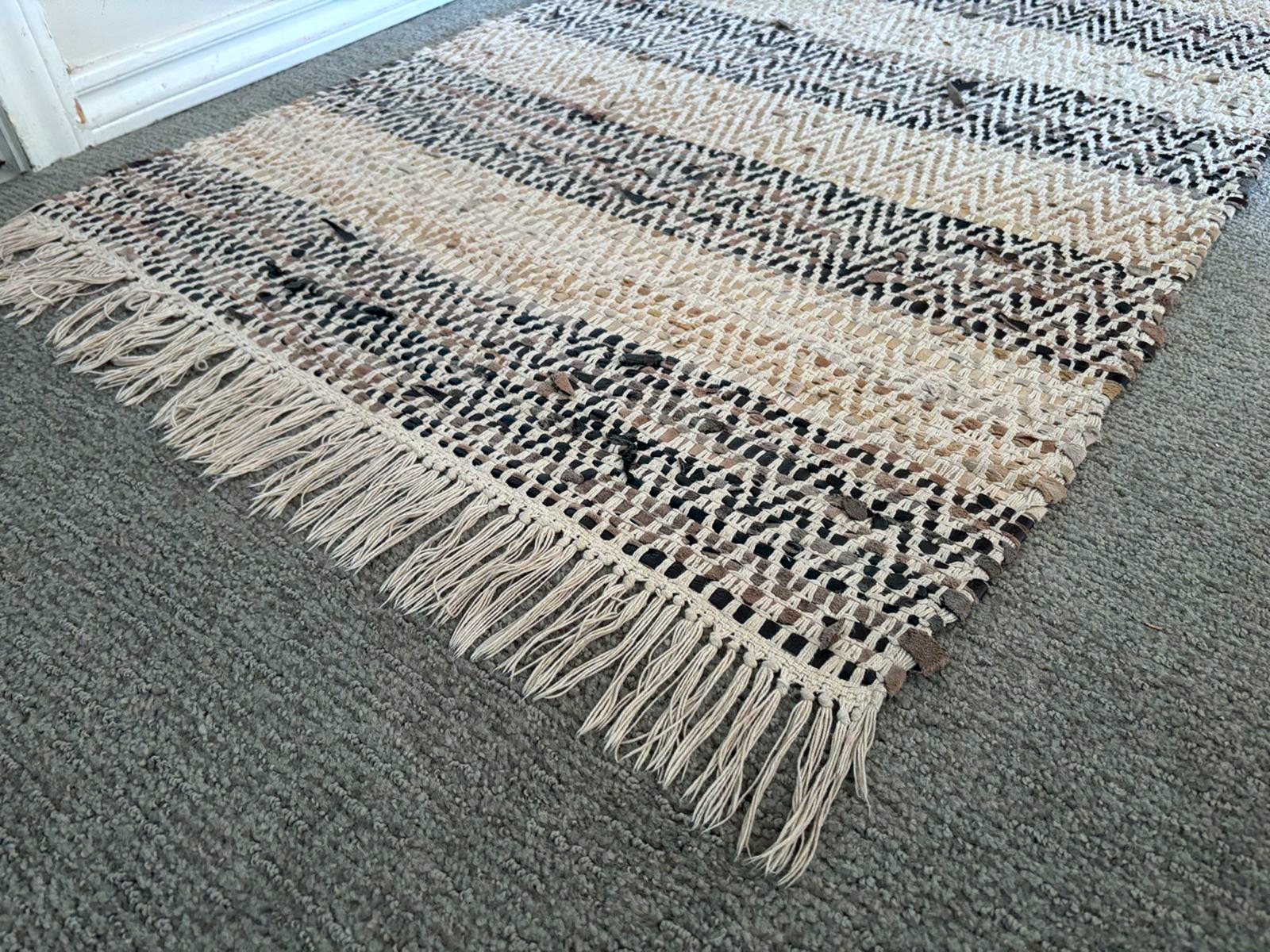
Below are the key places where putting a rug on top of a rug does more than just please the eye—it spares your carpet from the soles of your feet:
1. Major Entrances (The 12-Foot Rule)
Place runners at every major entrance into your home. The American National Standards Institute (ANSI) specifies a 12-foot walk-off path for commercial spaces, and the principle holds true for homes. It takes about 12 feet of walking for a person’s shoes or feet to naturally shed the bulk of the abrasive outdoor dirt they’ve carried inside. A runner here prevents that grit from ever reaching your wall-to-wall carpet.
2. The Kitchen Threshold (The 6-Foot Rule)
Your kitchen is a hotbed for airborne grease, spills, and food particles. When you walk on your kitchen floors, those microscopic oils stick to your feet, shoes or socks, and you track them onto your carpeting. Placing a runner for the first 6 feet directly outside of your kitchen door acts as a crucial barrier, grabbing those oils before they can bond with your carpet fibers and attract dirt.
3. Seat Zones & The "Morning Oil" Spot
Carpeting takes a thorough beating anywhere you sit regularly—underneath your office desk, in front of your sofa, and directly next to your bed. Did you know that swinging your feet out of bed in the morning and putting them on the floor creates a significant amount of oil buildup? The natural sebum and oils from the bottom of your bare feet transfer directly into that one spot every morning and evening. That sticky oil attracts dirt, which, when combined with the friction of your movement, grinds down the fibers.
4. Closets and Bed-to-Bath Paths
Think about your bedroom’s "natural highway." If your bathroom is on one side of your room and your closet is on the other, that specific pathway is traveled more than any other spot in your room. A runner on this path absorbs the wear and tear of your morning rush.
Choosing the Right Runner for the Right Surface
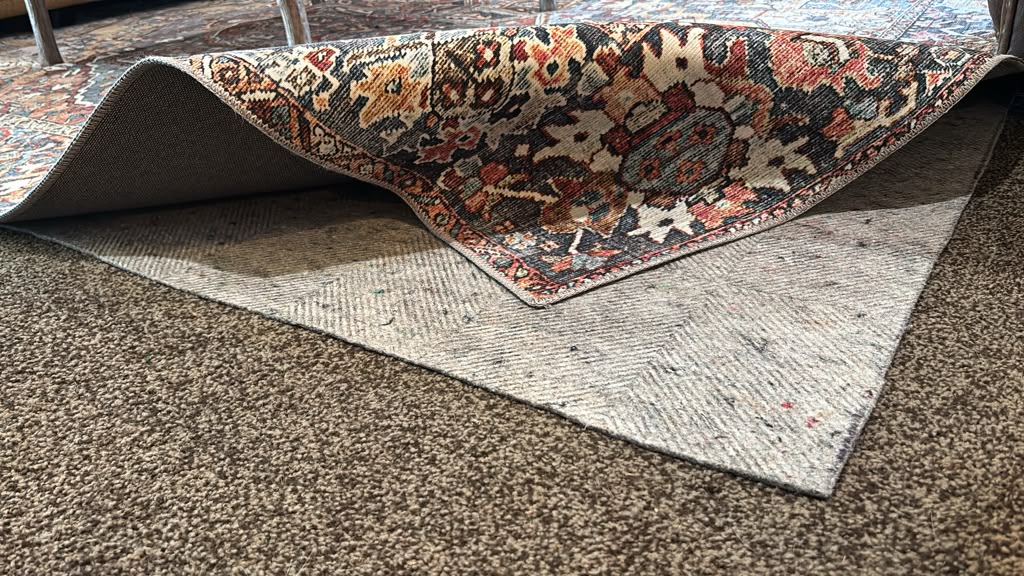
The art of placing a runner is knowing which rug to use and where (and where not) to use rug pads. You will need to clean your runner and the pad underneath it from time to time—usually a nice vacuuming and a quick wipe down of the pad will suffice. Here is my handy guide for making runners work in your home:
- Note on Flat Weaves: I do not recommend flat weave rugs for "walk-off" areas like entrances. While they protect the carpeting from friction, they aren't bulky or textured enough to draw the dirt off your feet before you reach regular carpeting.
- ⚠️ CAUTION: Never place a loose, unanchored runner at the top of a staircase or on any kind of landing. A bunching rug in these areas is an invite for a dangerous fall.
Keep Your Carpets Fluffy and Resilient
At the end of the day, carpeting will last an incredibly long time if it is cleaned properly and protected from friction. Walk-off runners help to keep your carpet clean, strategically placed area rugs protect your carpets from friction, and area rugs are much less expensive to replace than wall-to-wall carpeting.
And remember—nothing extends your soft surfaces' lifespan quite like vacuuming regularly!


