Identify and test
We work out what your tile and grout actually are, check for cracked or missing grout, and test in an out-of-the-way spot before anything else happens.


Mopping moves dirty water around. It doesn’t reach what has soaked into the grout. We deep clean tile and grout in kitchens, bathrooms and entryways across San Francisco and the Bay Area, with a process matched to your floor.
.jpg)
.png)
.png)


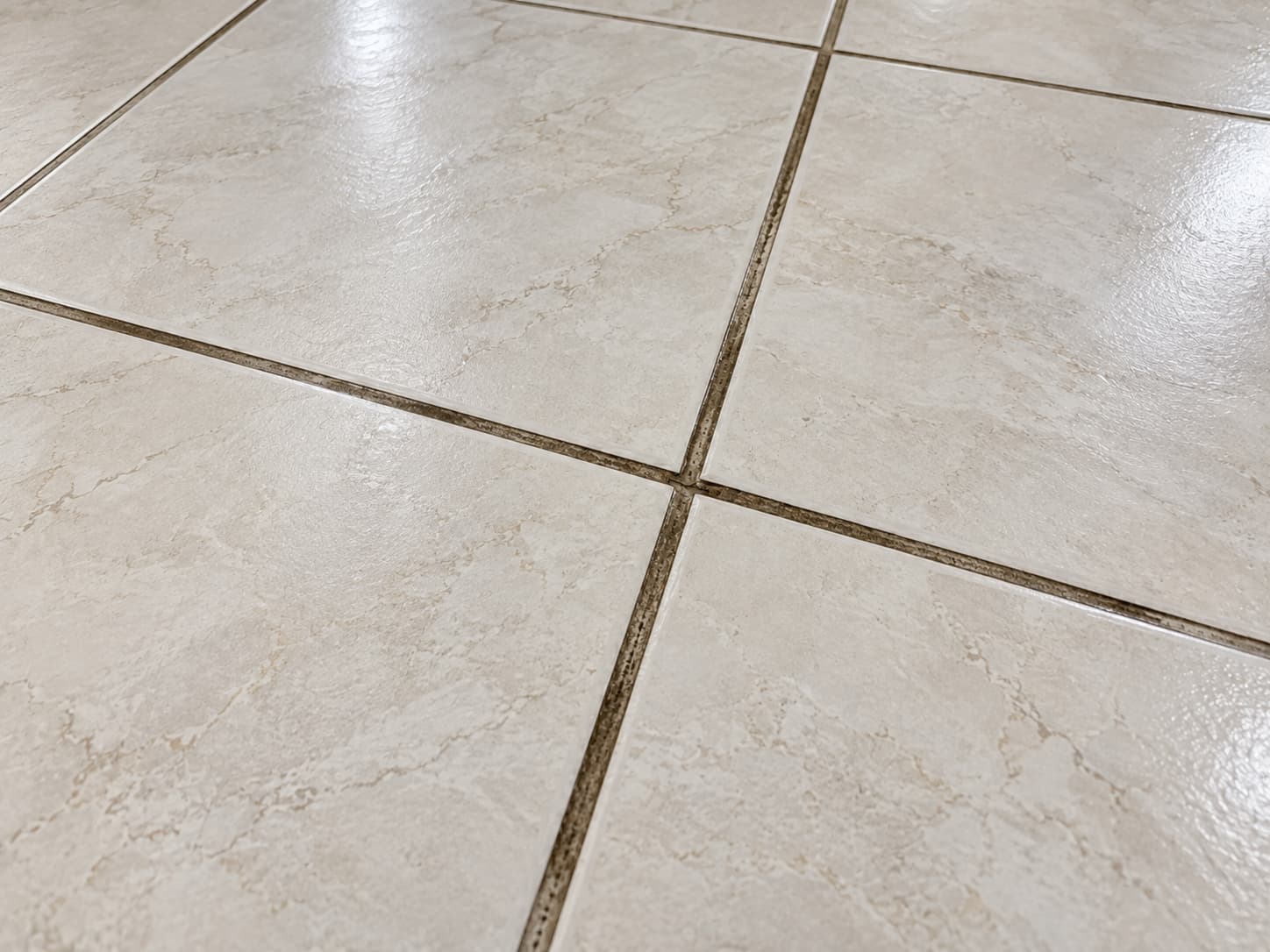
People call us about dirty tile floors. Almost every time, the tile is fine.
Glazed ceramic and porcelain are near non-porous, so dirt sits on top and mops off. Cement grout is porous, so it pulls in grease, spills and foot traffic soil. That's why the tile looks clean while the lines between it look grey.
It also explains why mopping stops working. A mop pushes dirty water across the floor and it settles into the grout lines, so every clean puts a little more back in.
Sometimes, and it depends on why it's dark.
Dirty grout cleans back to its original color, and the difference is usually dramatic. Stained grout improves but won't go back to new, and plenty of grout people remember as white was light grey when it went in.
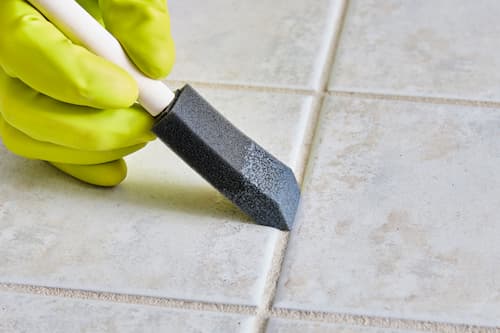
Where cleaning won't get there, color sealing will. It puts a pigmented, sealed finish over the grout line, so the color is even and the grout is protected.
Ceramic and porcelain take a different process from marble, travertine and slate. We identify what you have before anything touches it.
Marble, travertine and limestone etch on contact with acid, and it can’t be cleaned off afterwards. We use pH-neutral products on stone.
Cement grout benefits from sealing. Epoxy grout doesn’t, and we won’t sell it to you.
If your grout needs repair rather than cleaning, we say so before you book instead of cleaning it and leaving you where you started.

The most common floor tile, and the most durable. The glaze resists almost everything, so the work is nearly all in the grout lines. These handle a thorough deep clean.

These are calcium-based, so acid etches them on contact and leaves a dull mark that can't be cleaned off. We use pH-neutral cleaners and keep pressure down.
.png)
More acid-resistant than marble, but harsh chemistry still strips the sealer and leaves the stone open to staining. Slate flakes if you work it too aggressively.

Porous all the way through, so the tile itself soaks up soil rather than just the grout. These usually need resealing after cleaning to stay looking right.
We would rather tell you before we arrive than after we have charged you.

Cracked, crumbling or missing grout, which needs regrouting

Grease and cooking residue on kitchen floors
Etching on marble, travertine or limestone, which is damage to the stone rather than dirt
Soap scum, body oils and hard water deposits in showers and bathrooms
Scratches and worn patches in the tile glaze
Tracked-in soil in entryways and hallways
Chipped, cracked or loose tiles
Surface mold and mildew growth in grout lines
Water damage or mold behind the tile
Grout that has gone grey or brown from general soil
Grout that is permanently stained, though color sealing can even it out
Dull, filmy tile from mop residue and household cleaners
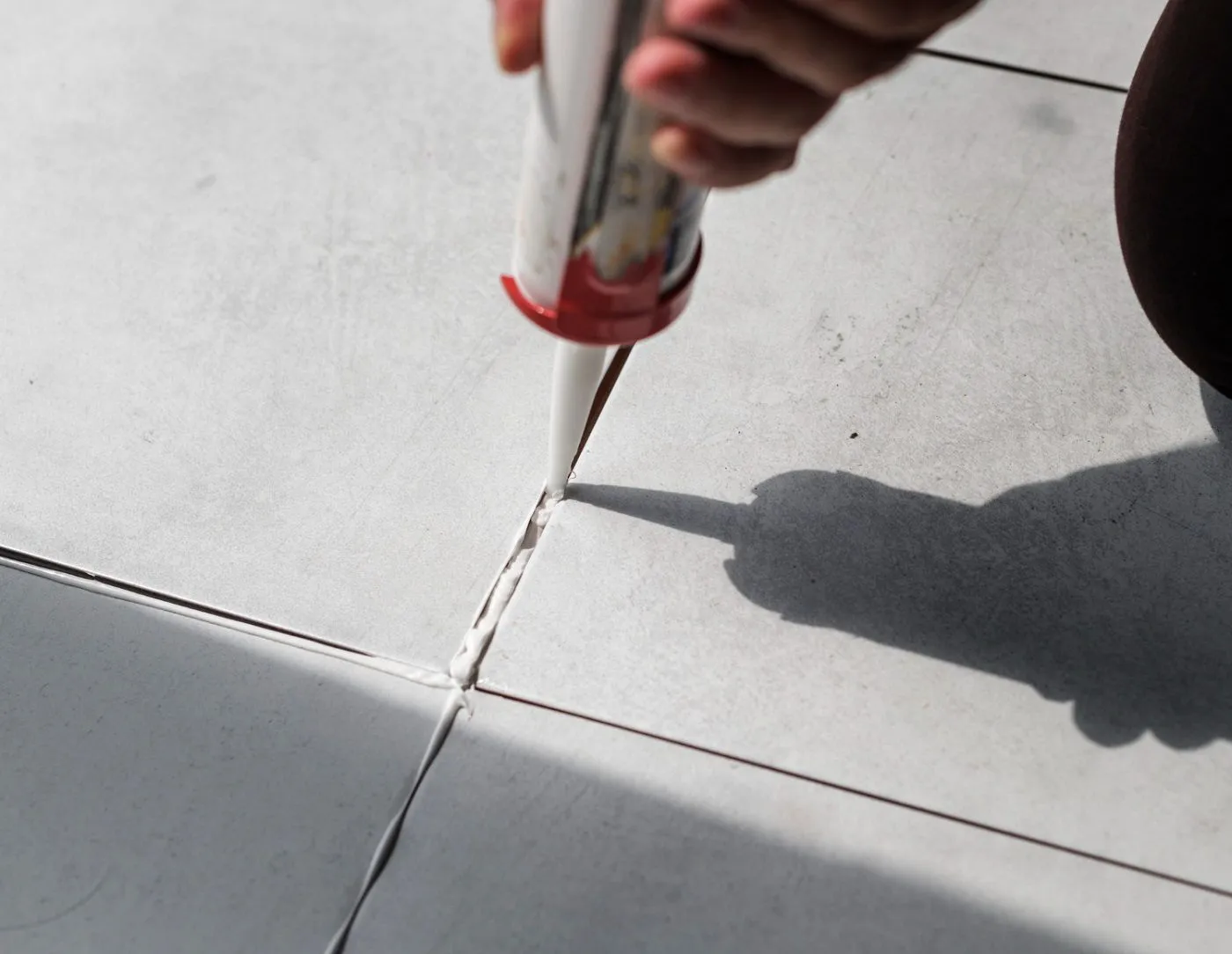
Sometimes yes, sometimes no, and this is worth understanding before anyone quotes you for it.
Standard cement grout is porous. Sealing it slows down how fast spills and soil soak in, which means it stays looking clean longer and the next clean is easier. Most floors in most homes have cement grout, so for most people sealing is worth doing after a clean.
Epoxy grout is different. It’s non-porous, so it doesn’t absorb sealer at all. Sealing it achieves nothing except leaving a film on the surface that then collects dirt. If you have epoxy grout, we’ll tell you and we won’t charge you for a sealer you don’t need.
Natural stone is a separate question. The stone itself is porous, not just the grout, so stone floors are usually sealed across the whole surface rather than just the lines.

We work out what your tile and grout actually are, check for cracked or missing grout, and test in an out-of-the-way spot before anything else happens.
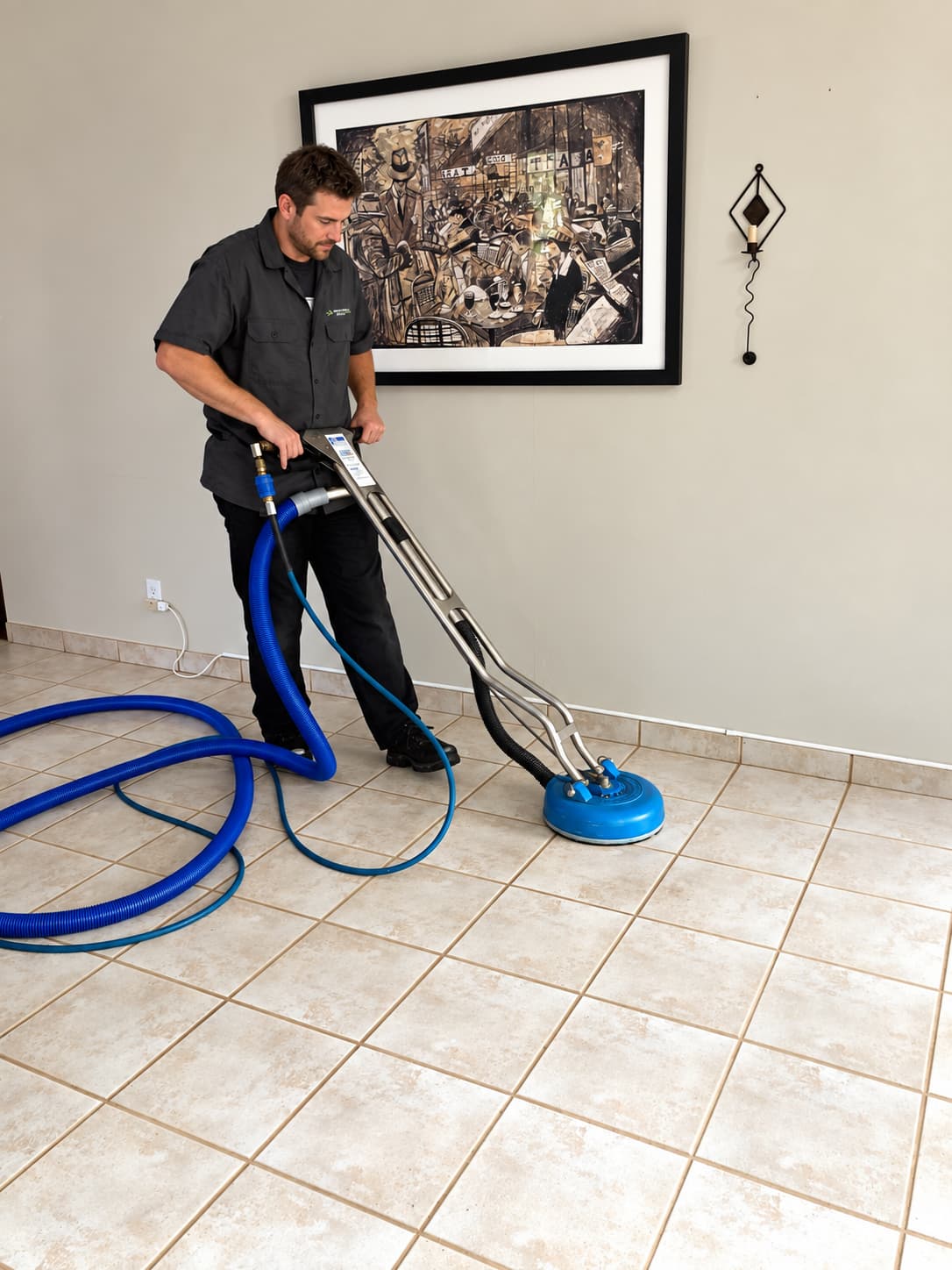
A cleaner matched to your floor goes down and is given time to break down grease and soil. On natural stone that means pH-neutral, always.
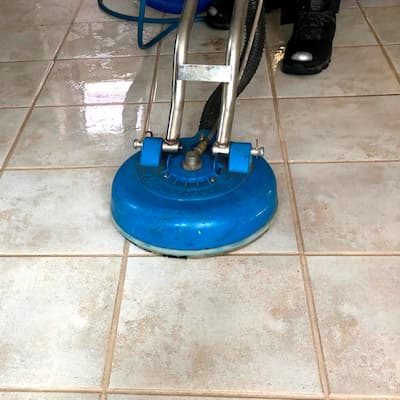
The grout lines are worked mechanically to lift soil out of the pores. This is the step a mop can’t do.
Hot water rinses the floor and the dirty water is extracted rather than left to dry back into the grout. Pressure is set to what the surface can take.
We go over the finished floor, point out anything that didn’t fully come out, and tell you how to keep it that way.
Tile and grout is priced by the square foot, based on the size of the area, the type of tile and the condition of the grout. We confirm the price before we start.
From $XXX
From $XXX

From $XXX
Minimum service fee in San Francisco: $[XXX].
Showers, backsplashes and small bathrooms are usually quoted as a flat rate rather than by area. Heavy grease, mold and natural stone work are quoted after we’ve seen the floor.
We clean tile and grout throughout San Francisco and the surrounding Bay Area. Don’t see your neighborhood? Call us.