Clean first
Protector applied over soil just seals the soil in. The carpet gets cleaned and extracted properly before anything else goes on.


Protector doesn't make carpet stain-proof. It buys you the time between a spill and a stain. Here's what it actually does, which carpets and fabrics get something from it, and what we won't put it on.


This trips up almost everyone, including people in our industry, so it's worth separating before anything else.
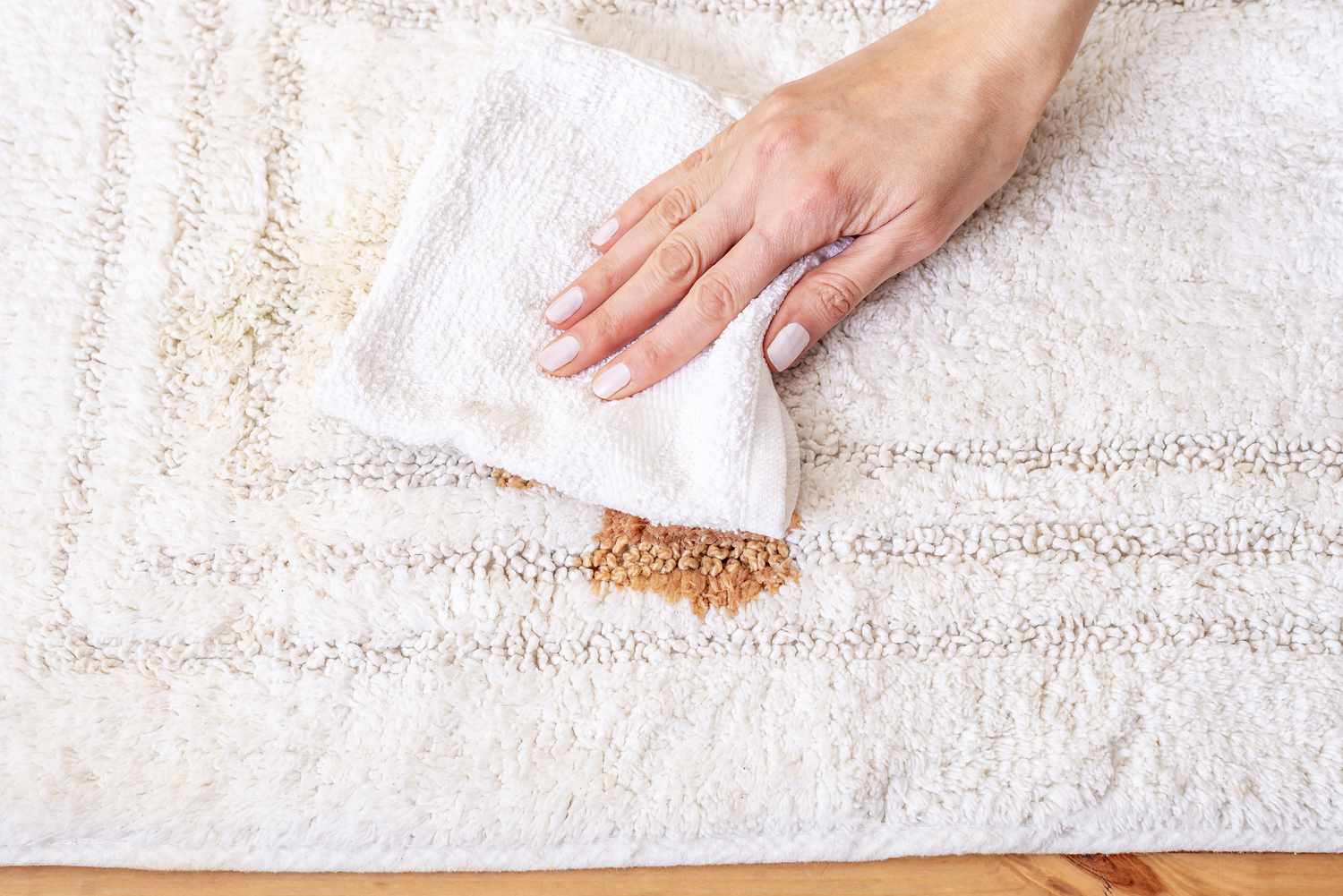
Stain resistance is built into the fiber. On nylon and wool, it works by filling the open dye sites so a spilled dye can't bond to the fiber. That's what stops red wine and fruit punch becoming permanent. It doesn't wear off from people walking on it, though the wrong cleaning products can strip it.
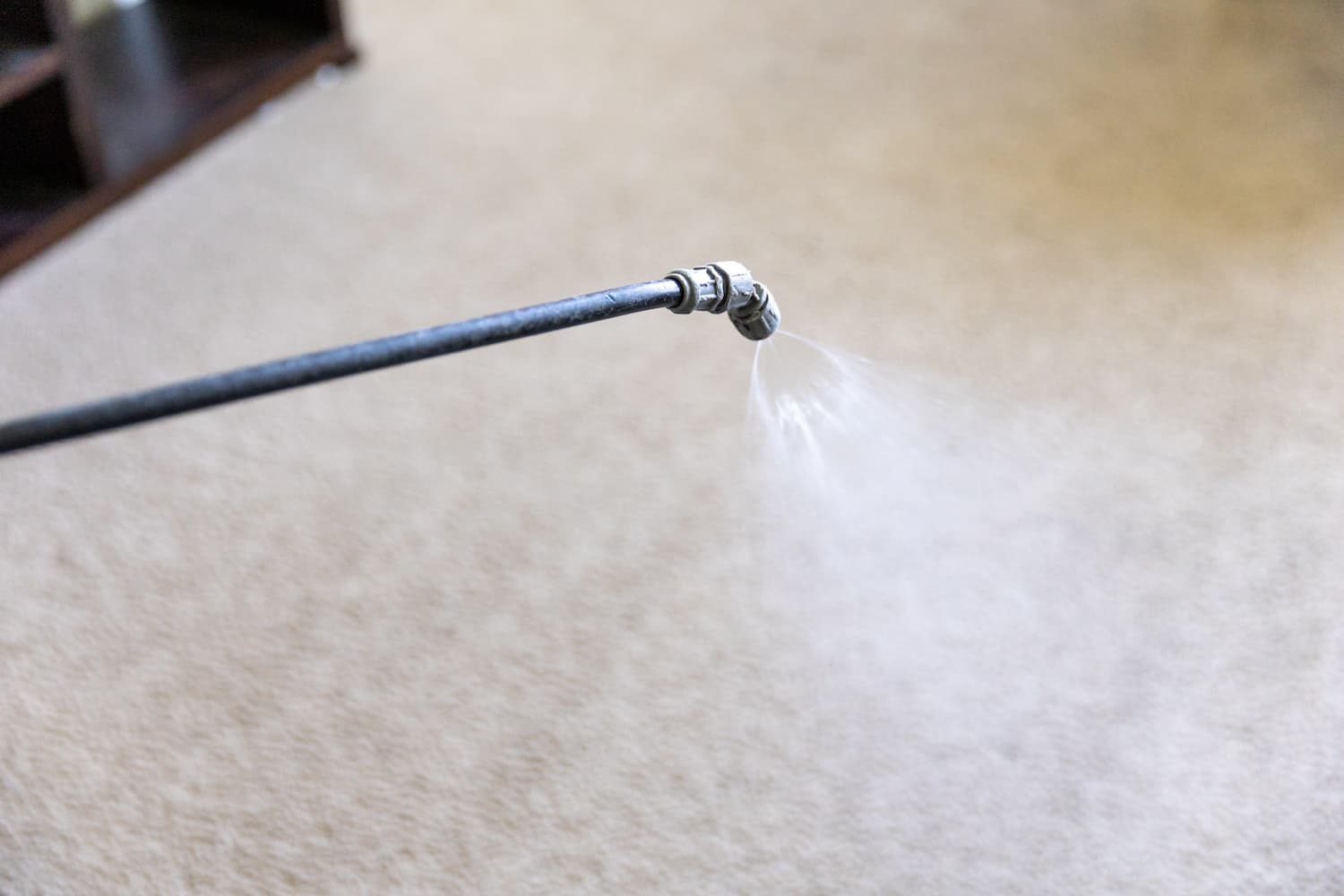
Soil resistance is a treatment applied to the fiber afterwards. The one we use is an encapsulation polymer, which means it surrounds soil as it lands rather than letting it grind into the fiber. Dirt stays loose enough for a vacuum to lift, spills sit long enough for you to get to them, and spots are less likely to wick back up days after a clean.
When we apply protector, that second one is what you're buying. Carpet in a hallway or on stairs has had its treatment walked off. Carpet in a spare room usually hasn't.

Armrests, headrests and seat fronts look darker than the rest of the piece.

A mark that's still there after you've cleaned it, or came back a day later.

Pet residue can reach deeper into cushions, leaving a smell that returns within days of spraying it.

Flattened, muted fabric that makes the piece look older than it is.

Fine dust and dander held in the fibers, even when the furniture looks clean.

Rings, yellowing or uneven patches, usually after a spot-clean went wrong.
The name is on the product, so it's fair to ask what's behind it, and we'd rather give you the detail than a logo.
This matters because carpet protectors were built on fluorochemicals for decades, and it's the first thing most people in California want to know in 2026.
Protector goes on after cleaning, not instead of it. If the carpet needs cleaning first, that's the same visit.
Three things decide this, and on two of them the answer is sometimes no.

Furniture doesn't get dirty the way carpet does.
Carpet wears from grit underfoot. A sofa wears from people. The soiling on upholstery is mostly body oils, and it turns up in the same three places every time: the arms, the headrest, and the front edge of the seat cushions.
We use the same product on both, which keeps it simple, but upholstery has a constraint carpet doesn't. Furniture carries a manufacturer's cleaning code on the label, and this treatment is for pieces coded W or W/S, meaning water-based cleaning is safe. If your sofa is coded S or X, it isn't a candidate and we'll tell you when we look at it.
Leather is a separate matter and doesn't take fabric protector at all. [Link "Leather" to /services/leather-cleaning-and-restoration-san-francisco]

Protector applied over soil just seals the soil in. The carpet gets cleaned and extracted properly before anything else goes on.
We confirm what your carpet or furniture is made of, because some materials don't take this treatment at all, and upholstery needs a W or W/S cleaning code.
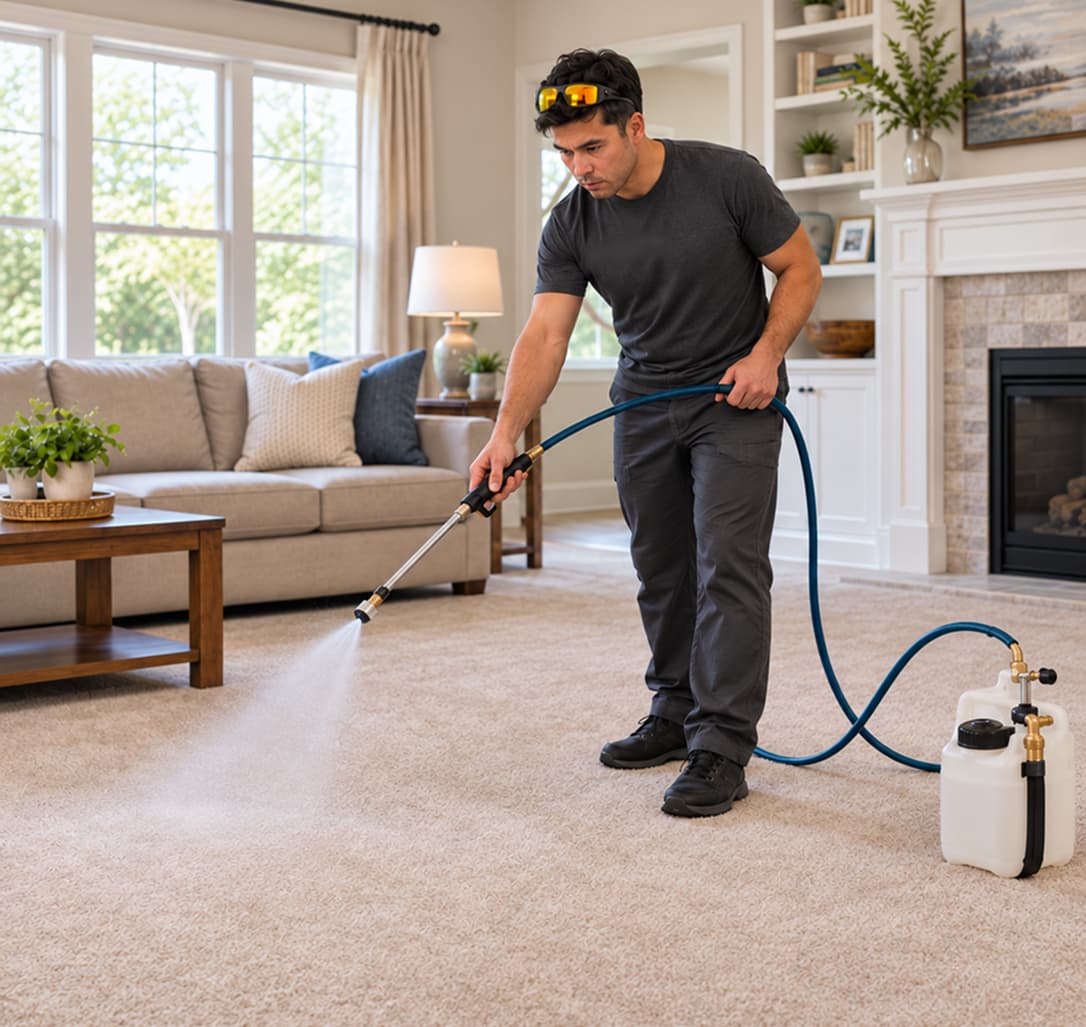
One part product to nine parts water, covering around 600 square feet per gallon of mix. Too little does nothing. Too much leaves residue that attracts soil, which is the opposite of the point.
It goes on while the fiber is still damp from cleaning, then gets raked through so it reaches down the fiber rather than sitting on the tips.
Six to twelve hours, and it needs to dry fully to work. We'll tell you how long to stay off it and what to expect from the first spill.
We cover San Francisco and the wider Bay Area. If you're not sure whether you're in range, call and ask.